Understanding the Basics of Poker
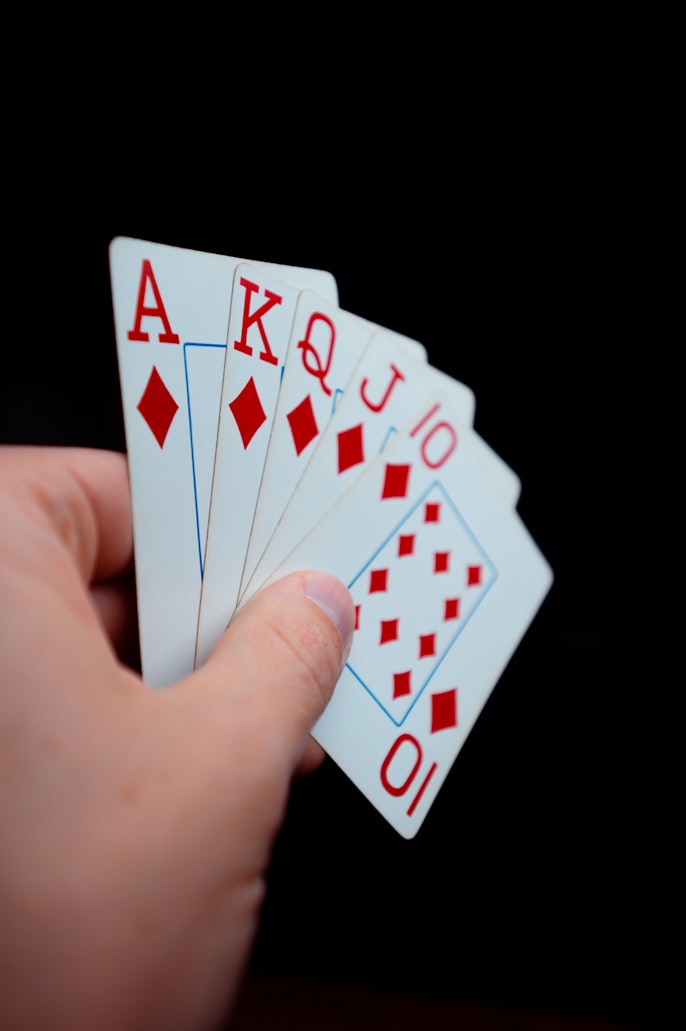
Before diving into the intricate strategies of poker, it’s essential to grasp the fundamental rules and concepts that govern the game. Poker, at its core, is a card game that combines elements of chance and skill, where players bet on the strength of their hands, including through platforms like betting sites canada , to enhance their experience. The objective is to win chips or money by having the best hand or persuading opponents to fold. Familiarizing yourself with different hand rankings, such as pairs, straights, and flushes, is crucial for making informed decisions. Understanding how these hands compare against one another is the first step toward becoming a proficient player.
An important aspect of poker is the betting structure, which can vary significantly between different types of games, such as Texas Hold’em or Omaha. Players must learn the rules regarding betting rounds, including when to check, raise, call, or fold. Each action not only affects the pot but also conveys information to opponents about the strength of your hand. Thus, mastering the basics involves not only knowing the rules but also understanding how to read the situation and the players around you. This knowledge is foundational, as it lays the groundwork for more advanced strategies.
Additionally, players should familiarize themselves with poker terminology. Terms like “bluffing,” “pot odds,” and “position” are frequently used in discussions about strategy and gameplay. Understanding these terms helps players communicate more effectively and grasp strategic concepts that are essential for success. For example, being aware of your position at the table can influence your betting decisions significantly; acting later in a round allows you to gauge opponents’ actions before making your own move. By mastering these basics, players can build confidence as they progress to more complex strategies.
Developing Effective Strategies
Once you’ve mastered the basics, the next step is to develop effective strategies that can give you an edge over your opponents. One essential strategy is understanding the concept of ‘tight’ versus ‘loose’ play. Tight players tend to play fewer hands but are more aggressive when they do. In contrast, loose players play more hands but may not always bet aggressively. Determining the style that best suits your personality and skill level can greatly affect your success at the table.
Another vital strategy involves the art of bluffing. Bluffing is a powerful tool in poker, but it must be used carefully and at the right moments. Successful bluffs are often executed when you can convincingly represent a strong hand, compelling your opponents to fold. Analyzing your opponents’ tendencies can help you identify when they might be vulnerable to a bluff. However, overusing this tactic can lead to predictability, making it important to strike a balance between aggressive and conservative play.

Moreover, understanding pot odds and expected value is crucial for making calculated decisions during a game. Pot odds compare the current size of the pot to the size of the bet you must call, allowing you to determine if a call is mathematically justified. By consistently evaluating these odds, players can make more informed betting decisions, maximizing their potential for profit. Combining strategic thinking with sound mathematical principles is key to elevating your game.
Reading Your Opponents
One of the most nuanced skills in casino poker is the ability to read your opponents. This involves observing their betting patterns, body language, and overall demeanor to gain insights into the strength of their hands. Players often exhibit certain behaviors corresponding to their confidence or uncertainty. For instance, a player who suddenly becomes more aggressive might have a strong hand, while someone who hesitates before calling could be uncertain or bluffing.
Paying attention to the tells and habits of your opponents can provide you with valuable information that guides your decision-making. Some common tells include changes in bet sizes, facial expressions, and body movements. For example, if a player who typically makes modest bets suddenly goes all-in, it may indicate they have a strong hand. However, it’s essential to remember that these tells can vary greatly between individuals, and sometimes they could be misleading. Developing the skill to interpret these cues takes practice and experience.
Moreover, adapting your strategy based on your observations is crucial. If you recognize that an opponent frequently bluffs, you might choose to call their bets more often. Conversely, if an opponent is particularly conservative, you may want to bluff against them more often to exploit their cautious nature. The ability to adapt your strategy based on your reads can significantly improve your chances of winning. Ultimately, developing excellent observational skills is as important as mastering the game’s mechanics.
The Importance of Bankroll Management
Bankroll management is a critical aspect often overlooked by many aspiring poker players. Having a solid strategy for managing your money is vital for long-term success. Establishing a budget for your poker playing ensures that you never gamble more than you can afford to lose. Remember, poker is a game of skill, but luck can also play a significant role, which means maintaining a disciplined approach to your bankroll is essential to avoid going broke.
A good rule of thumb is to only use a small percentage of your bankroll for any single game or session. This helps to absorb potential losses and provides a cushion as you play. For example, if your bankroll is $1,000, it may be wise to only risk $50 to $100 per session. This way, you can continue playing and learning from your experiences, even if you encounter a rough patch. Implementing strict limits on how much to stake can help you remain emotionally detached from individual sessions.
Additionally, regularly reassessing your bankroll and adjusting your stakes accordingly is crucial. As you gain experience and confidence in your skills, you may want to increase your stakes, but you should only do so when you have a sufficient bankroll to support this move. Proper bankroll management not only preserves your funds but also enhances your overall enjoyment of the game, allowing you to focus on improving your skills without the burden of financial stress.
Enhancing Your Skills Through Practice and Community
The journey to mastering casino poker is ongoing and requires consistent practice and engagement with the poker community. One effective way to hone your skills is to participate in poker forums, online communities, or local poker clubs. Engaging with fellow players enables you to share strategies, discuss hands, and gain different perspectives on the game. This exchange of knowledge fosters personal growth and provides insights that can elevate your play.
Additionally, utilizing online poker platforms for practice can significantly benefit your skills. Many platforms offer opportunities to play for free or with low stakes, allowing you to experiment with different strategies without risking significant amounts of money. Playing frequently helps to sharpen your decision-making skills and improves your understanding of the game in various situations. Familiarizing yourself with different formats and styles can also enhance your versatility as a player.
Lastly, reviewing your gameplay is crucial for continuous improvement. After each session, take time to analyze your decisions and identify areas for growth. This reflection can help you uncover patterns in your play, such as frequent mistakes or missed opportunities. Using tracking software can also assist in monitoring your performance over time, enabling you to adjust your strategies as needed. With dedication and a commitment to learning, any player can master the art of poker.